
Omaha Drywall Contractors
When your Omaha home's wall gets hit by a doorknob, rain leaks in, or daily scuffs build up, expert drywall repair can restore the space. Homeowners know drywall takes more than hanging panels and spreading joint compound. Seamless walls require skill, the right materials, and experience.
Task Helpers provides expert drywall work across Omaha, from new installs to near-invisible repairs. Whether patching nail holes or replacing entire walls, our team works with steady hands and sharp attention to detail.
Drywall Repair
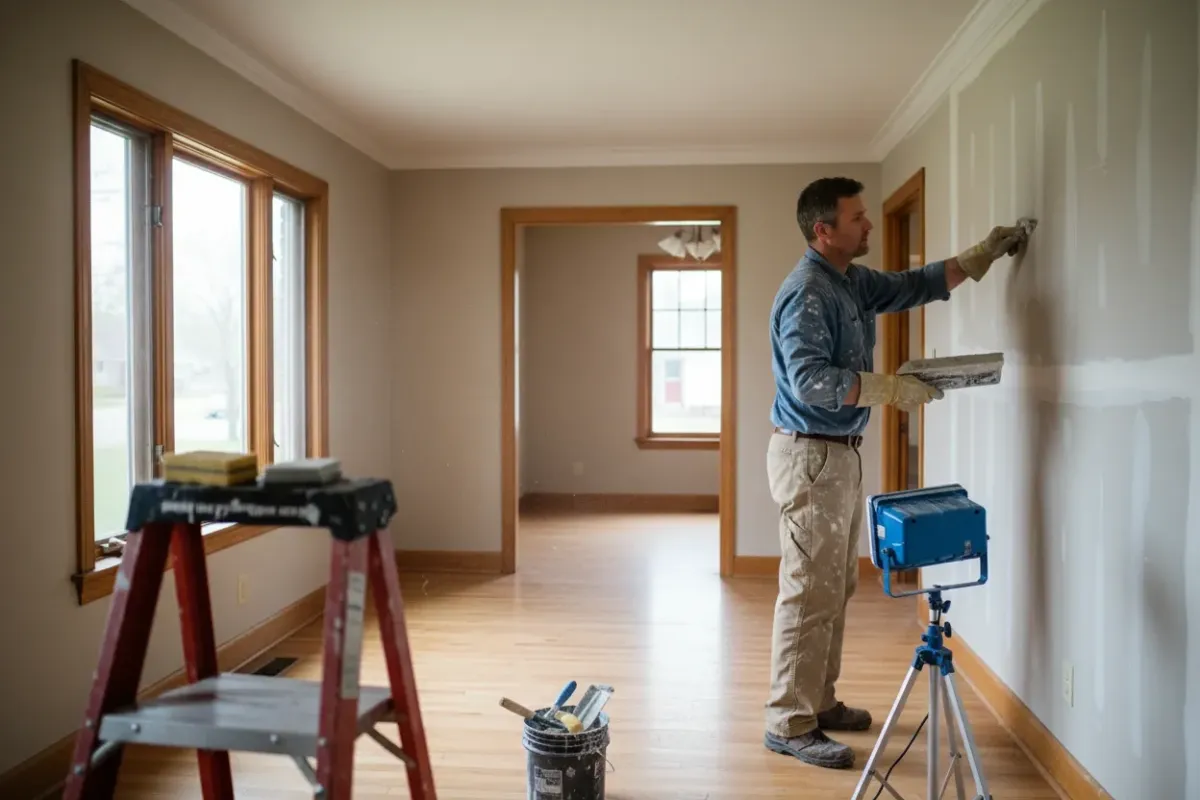
In Omaha, drywall repair is a common need. Over the years, walls have been damaged by various factors, including:
- Kids racing toy cars across the wall
- Chairs scraping as they’re moved
- The house is settling into the ground
- Hairline cracks may be spreading along seams
- A doorknob punches a hole
- Slow leaks from the roof or a hidden pipe
These reasons, among others, can leave entire sections of drywall soft, broken, and disfigured. Thankfully, most drywall damage can easily be fixed with a patch and a bit of sanding without having to tear out the entire wall. Our professional repair services bring your walls back to their former look. We even blend textures so smoothly you can’t find the original spot.
In Omaha, we handle drywall repairs from tiny nail-hole touch-ups to major structural fixes, so you can relax knowing your walls look great and stand strong.
Hole & Crack Patching
Drywall seems to be a magnet for dents and cracks more frequently than homeowners want. Common reasons include doorknobs, kids roughhousing, and furniture moved without the proper precautions. No matter the cause, holes and cracks in your drywall not only look bad, they can leak heat in winter and give pests an easy path indoors.
We take care of repairs ranging from tiny nail holes to big sections that need cutting out and fresh drywall fitted snugly into place. We will match your wall’s texture, smooth uneven ends with joint compound, sand until the wall feels smooth, and finish with paint that blends into the current wall. By the time we’re finished, you won’t even know the damage was there in the first place. With fresh walls, you’ll be ready to handle the next slammed door or sudden storm.
Water Damange Repair
Nebraska’s weather can be tough on homes, especially in Omaha. We get heavy rain that pounds on rooftops, snow can pile high along driveways, and wind shifts siding and shingles, allowing water to leak in. Once water seeps into your walls, the drywall drinks it in like a sponge, turning yellow and bulging. Unfortunately, water-damaged drywall can’t be covered in paint or dried out; it has to be cut out and replaced to prevent mold from spreading and keep your walls solid.
Before making any cuts, we inspect every affected area, including wet carpets and swollen wood, to determine how far the water damage has spread. Once we know where all the damage is, we’ll:
1. Remove every bit of damaged drywall
2. Inspect the wood for mold or mildew
3. Treat the wood frame if needed
4. Install fresh panels and seal them with a clean, smooth finish
Additionally, while the affected drywall is off and we have access to the inside of your walls, we’ll pinpoint exactly where the water is entering (e.g., a hairline crack by the window) so you can address the root cause and prevent future issues. Regardless of whether your wall has a wet patch by the window or an entire section of wall soaked from a storm, we’ll get your wall dry and looking great again, so you have a safe and dry home.
Seam & Tape Repair
Drywall doesn’t just need to be fixed in old homes. Sturdy, well-built homes can have drywall seams that split over time as the structure settles and shifts. Seams also appear with the dramatic shift in temperatures in Nebraska, where expansion and contraction happen. After hot summers and freezing Omaha winters, you might spot fine cracks creeping along the ceiling’s edge where it meets the wall, or faint seams that used to blend in without a trace.
Why can new homes develop noticeable drywall seams and loose tape? Homebuilders often reduce expenses by subcontracting drywall installation to the lowest bidder. When installation is rushed, taping quality suffers, and proper spacing between panels is often overlooked. Thankfully, it’s a simple process to fix.
We’ll peel off the old tape, smooth and clean the surface, apply fresh tape with the right technique, then finish with joint compound. After that dries, we’ll sand it down to match the smooth texture of existing walls. Our team works carefully to get it right, ensuring every repaired seam is tougher than when it was first installed, and ready for years of harsh Nebraska winds and sun.
Ceiling Drywall Repair
Fixing ceiling drywall is harder than fixing walls. Holding panels overhead is heavy, prone to snapping in half, and the weight can rip through screws if not adequately supported. Once the panels are up, the compound to smooth the edges doesn’t just glide on, but clumps and can fall.
Ceiling drywall can also suffer damage from poor ventilation, humid showers, roof leaks, burst pipes, or years of sagging under its own weight when installed incorrectly. Additionally, older Omaha homes sometimes have plaster under drywall that can leave a fine dust everywhere.
Thankfully, we can fix drywall ceilings of all kinds, including:
- Hairline cracks
- Brown water stains
- Sagging sections
- Redoing uneven seams
- Dents from kids’ toys
- And more!
We properly support drywall panels during installation to prevent cracking, bending, or breaking, and to ensure the screws fasten securely to bear the full weight of the panels. We also protect your floors to ensure no dust or debris settles on hardwood surfaces or becomes trapped in carpet fibers.
Texture Matching
Texture matching is more challenging than installing drywall panels, particularly when dealing with unique or intricate designs. Due to the age range of homes in Omaha, homes feature a wide range of textures and styles. Some have aged, others are making a comeback, and many are becoming more common. Also, looking at a repair job straight on can look great, but a side view can easily show the difference in texture.
Our service ensures texture matching so your walls and ceilings have a uniform look. We have the experience and tools to match almost every type of texture and color. Before we begin, our team takes time to assess the repair area so you know what to expect and can let us know if you’d like any changes to the finish.
Our goal is for you not to be able to see where the repair was done.
Drywall Replacement
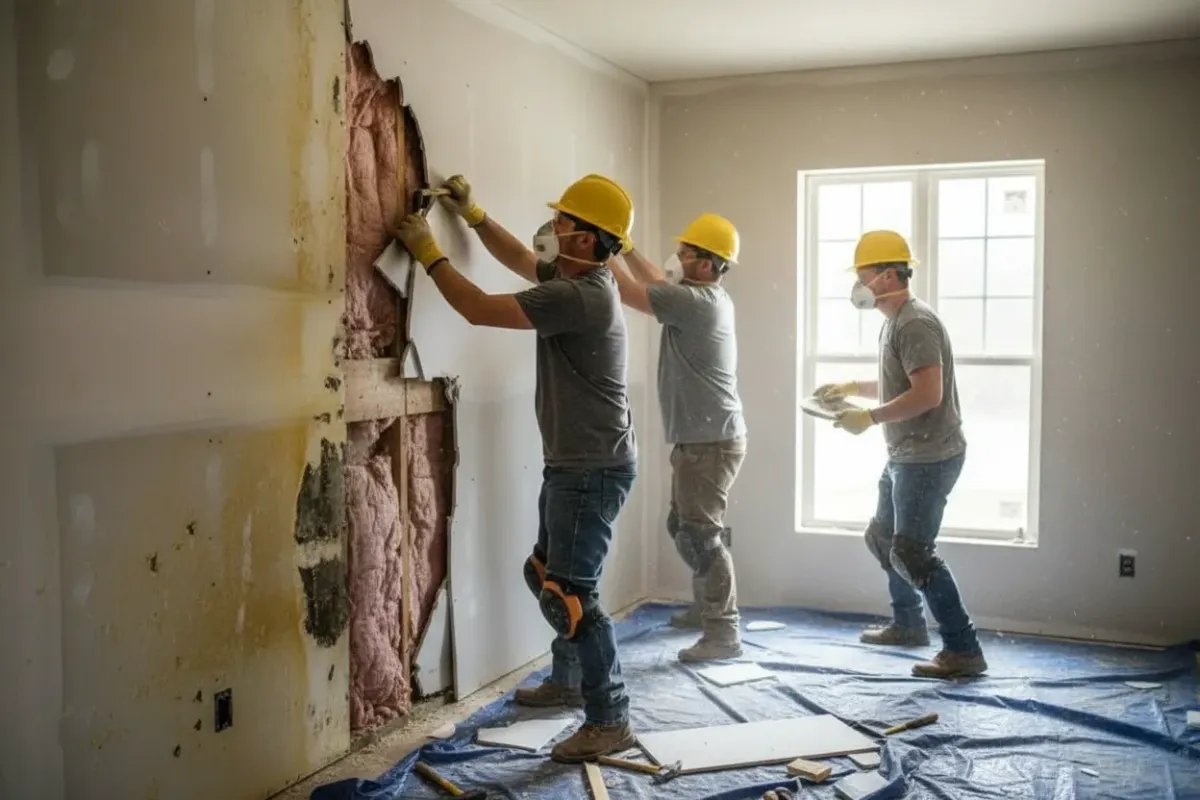
Due to the type of impact, damage, location, or size of the drywall that needs to be fixed, replacing it can be necessary. Excessive water damage, mold growth, fire, and other large area damage necessitate tearing down the old drywall and replacing it with new, fresh, and clean drywall panels.
While replacing drywall takes longer than a simple repair, it helps uncover and prevent hidden problems with the framing or insulation. Gutting the wall helps make sure the structure is intact, no unhealthy air toxins are growing, and the walls are properly sealed. Our Omaha team can replace drywall of all sizes, including the types of jobs listed below.
Partial Wall Replacement
When simple patching is not enough, but no large-scale damage has occurred, partial wall replacement is often the best solution. Sometimes we only need to replace part of a wall, such as a basement flood, when patches were done incorrectly, or when a DIY project didn’t quite go as planned.
To give you a clear picture of our process, we begin by carefully cutting out the damaged section, making precise cuts at the wall studs so the new drywall panel can be securely anchored and fit snugly. To prevent causing more work than is necessary, we cut away the minimal amount of drywall possible to have access to the interior of the wall and replace the damaged section.
Before replacing the drywall, our team inspects the insulation and house frame to ensure the entire problem is addressed and not just putting a band-aid on it. Once proper installation is done, we’ll mud and tape the current and new drywall for an imperceptible transition.
Ceiling Panel Replacement
Ceiling drywall frequently requires replacement because of plumbing problems, water damage, roof leaks, or excessive heat. These can occur when severe snowstorms dump a lot of weight in the winter, when severe thunderstorms drench in the spring, or high winds pull at shingles to allow outside moisture to creep in. Whatever the cause, a waterlogged panel of drywall not only can cause airborne irritants, but can eventually fall right from the ceiling.
Like we do with ceiling repairs, our experts will have a support system set up to allow panels of drywall to be fastened to the house frame for a snug fit with the appropriate amount of hardware to support the weight. We also cover your floors with a protective layer to catch any debris that may fall during the repair process.
Mold-Damaged Drywall Removal
Beyond the risk of drywall panels detaching from the ceiling, a significant concern is the growth of mold within the walls. Given the dry nature of drywall, it acts as a sponge anytime moisture is introduced. Unless a sponge, water cannot be squeezed out. Wet drywall quickly becomes a breeding ground for mold, and if left unchecked, it can lead to black mold.
- In fact, black mold can cause many health issues, including:
- Eye irritation
- Sneezing
- Coughing
- Congestion
- Aggravate asthma symptoms
- Funcal infections, or mycosis
To remove black mold, the affected drywall panels have to be removed. Once removed, our team will inspect the frame and insulation of your home to ensure we’ve found all affected areas. Sometimes, we’ll need to disinfect and clean the frame of the home and replace insulation. Once we know the frame is clean and dry, we’ll put up fresh drywall panels.
If any drywall needs to be removed due to damage, we’ll follow the right safety steps to keep your family safe and stop mold from spreading. Once we’re done, you won’t even be able to see where the mold was in the first place.
Fire-Damaged Drywall
More damaging than water for drywall is fire. Whenever a fire breaks out, there are a few ways that the drywall can be affected by fire, including:
- Direct damage from the fire.
- Heat causes chemical changes and melting in the panels.
- Structural damage to the house frame.
- Smoke and soot are absorbed by the drywall.
After a fire, whether it’s a small kitchen fire or caused by faulty wiring, kids, or the weather, most materials above the flames have to be replaced. Just like heat rises, so does smoke. For homes that have a flat ceiling in the level where the fire occurred, it’s possible that the entire ceiling of drywall will need to be replaced. If the fire department is involved, you may have water damage.
Just like with water damage, we’ll work with homeowners, landlords, and insurance companies to fully assess the damage that occurred and work to replace all affected drywall. Our process will include the removal and disposal of all damaged materials, cleaning the framing, and installing fresh drywall panels. We’ll tape, seal, texture, and paint the walls to restore them to their original look.
Drywall With Improper Mounting
To cut corners, some handymen and homebuilders will try to cut corners wherever possible. Given the increase in the cost of hardware and materials, subcontractors will sometimes use the minimal amount of nails or screws when installing drywall. They’ll use enough to make it look secure, but not nearly enough to stand the test of time.
Due to the extreme temperature, humidity, and settling of houses, drywall panels will shift, bend, sag, or crack. When there aren’t enough screws, the home’s shifting can tear holes in the drywall and separate it from the frame. Improper taping can cause tearing and reveal long seams between panels.
Instead of trying to paint over the wall to do another improper job, our team will remove any affected paneling and replace it with new, strong, clean drywall. We’ll ensure that the right amount of hardware is included to secure the drywall snugly against the framing.
Drywall Installation
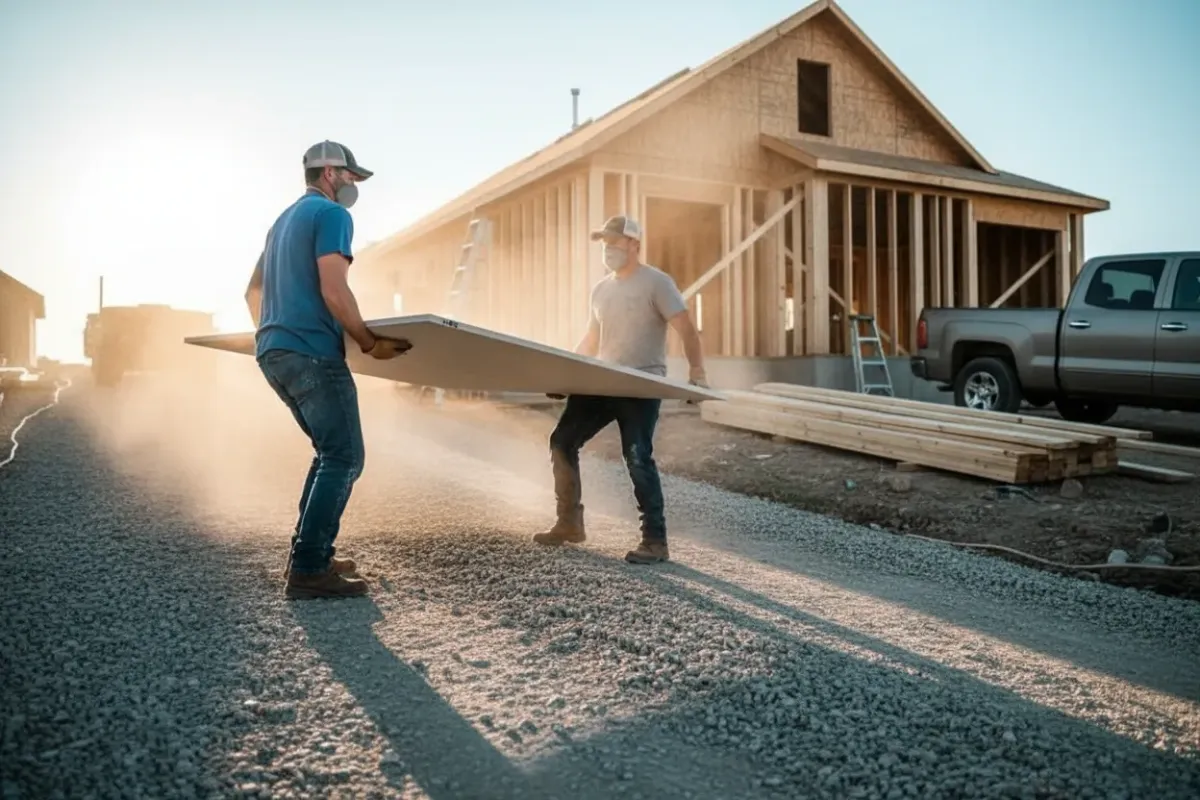
Not only do we replace small damaged areas or partial panels of drywall, but we also install drywall on new construction and in renovations. New drywall can be installed in additions, new construction, basement finishing, and renovation projects. We’re skilled at handling all types of drywall installation, including those listed below.
New Construction Installation
Homes being built go from frames to walls once insulation and drywall are installed. They seal unwanted gaps inside and help the shell of the house take shape as a home.
Our team follows a proven process that ensures quality at every step. We follow the old “measure twice, cut once” rule to prevent excessive waste. We also review every area where drywall will be installed to maximize each panel’s use and minimize gaps by avoiding smaller pieces. Before installation, we assess the types of drywall required for the project.
Once we have the appropriate materials and types of drywall, we install enough screws to secure the panel against the frame, making it a solid addition to the wall. Not only do we install the panels themselves, but we’ll also tape and mud to cover any hardware and gaps between panels. Once that dries, we’ll sand it down and dust it, ready to paint.
Basement Finishing
To prevent sticker shock, assist people into homes, and due to the rising cost of housing, new homes are built with unfinished basements. Underground, the exposed foundation, HVAC system, and a few support beams are what families move into. This is beneficial for getting a mortgage and also allows homeowners to customize that level however they want.
We love being part of the process of expanding livable spaces in homes by finishing the basement. We’ll help transform that echo-heavy area into a cozy place for your family. We’ll install the drywall, cut around outlets, switches, and ensure every part of the framing is covered.
Since basements are more prone to dampness due to humidity, we use moisture and mold-resistant drywall specifically designed for humid conditions. We’ll also use specialized tape and joint compound to resist mold growth or moisture buildup, ensuring long-lasting walls.
Garage Drywall Installation
Many Omaha homeowners use their garage for celebrations, parties, or watching football games. It’s common for people to gather in the garage to grill, watch TV, and move sofas to create a space to relax. Although this is not widely practiced nationwide, it is a favorite in Omaha.
When bringing electronics and furniture into a space, it is wise to cover the walls with drywall to prevent dust from falling from the ceiling or exposed framing. Unfinished walls have exposed wires and studs, and are not well insulated. No worries. Our team of experts can handle installing drywall in your garage to make it the relaxing and fun space that it needs to be. Whether you want a warmer workshop, a home gym, or just a cleaner-looking garage, we’ll help you make it happen.
Soundproof Drywall
Beyond the health concerns of 2020, it transformed both where and how people worked. Remote work shifted from being almost taboo to becoming the norm in a short time, and many professionals have chosen to keep working from home. However, homes often come with welcome but noisy distractions such as televisions, children, neighbors, or passing traffic. During work calls, excess noise can sound unprofessional.
Whether it’s a home office, a recording studio, or simply a quiet retreat for tired parents, our soundproof drywall helps you get the peace and quiet you need. Unlike traditional drywall installation, the drywall is built thicker, the sealant prevents noise transmission, and every gap is covered to create an almost air-tight room.
Our Drywall Install Process
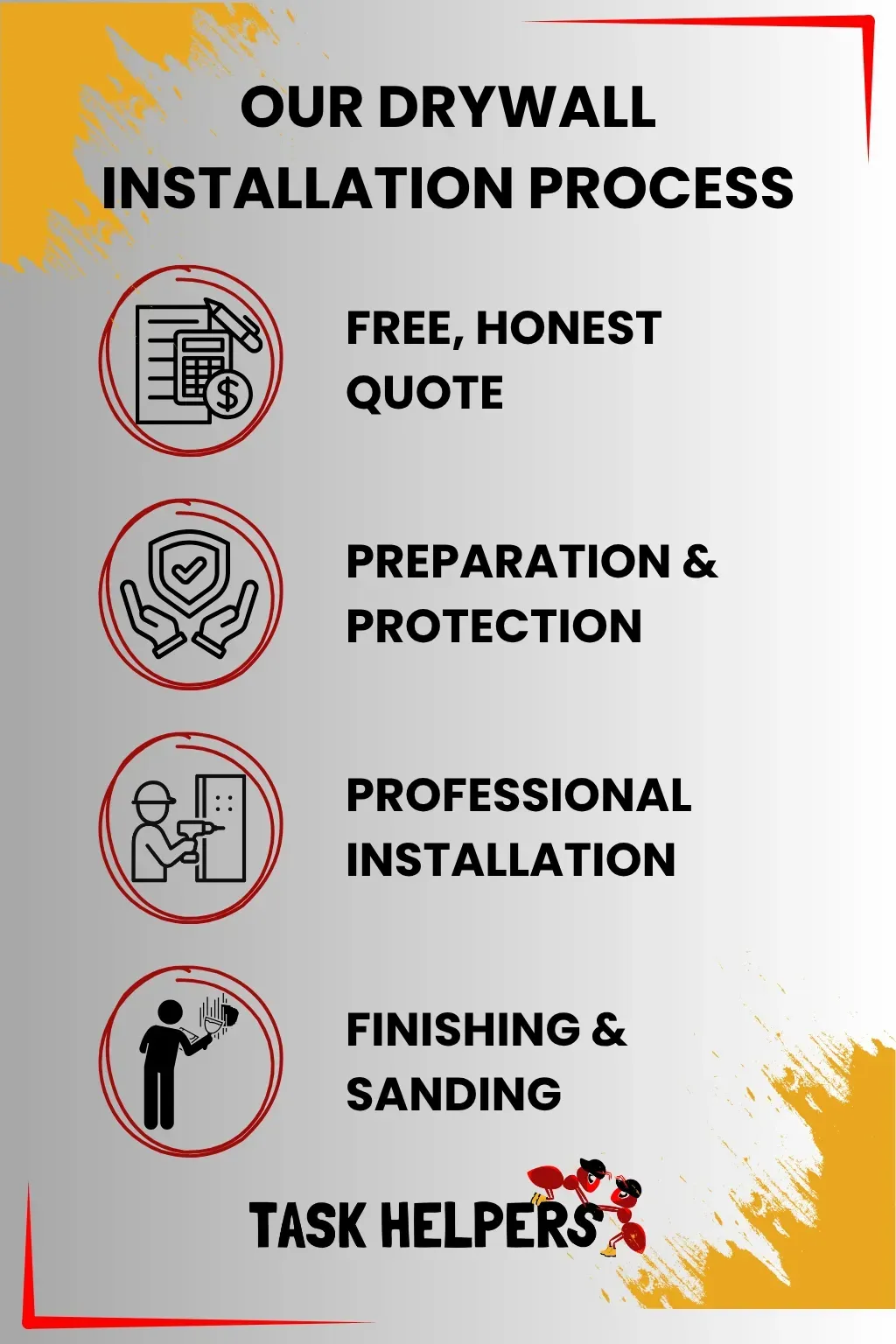
If you haven’t seen our work before, you’ll notice how methodical we are when we come into your home and get the job done right. We’ve outlined our simple step-by-step process below to show you exactly what to expect.
Free, Honest Quote
Before we agree to any project, before any screws are attached, and before any drywall is moved, we come and take a look at your home. Since every home and project is unique, our team will come out, look, and plan what’s needed. We’ll assess the condition of your drywall, discuss your goals for the space, and provide a quote outlining the expected cost, so you can make an informed decision.
Preparation & Protection
Once the quote is approved and your project is scheduled, we’ll gather the necessary materials and prepare the space before starting any work. When the project time arrives, we’ll bring all the materials, hardware, tools, and equipment to your home. To protect your floors, we’ll place a protective barrier over carpets and hard surfaces to prevent damage from dropped drywall or tools. In cases where drywall is hazardous or mold-contaminated, we use protective coverings to prevent the spread of airborne contaminants. We take all necessary measures to safeguard the homeowners, their property, and our crew.
Professional Installation
Once all the prep work is complete, it’s time to start the project. We’ll help remove any damaged, broken, or moldy drywall and dispose of it properly. If any cleaning of the framing or replacement of insulation is needed, we’ll also work with the homeowner to get that done. Once the frame is dry and ready, we’ll install the new drywall panels in an efficient manner. We’ll use the right fasteners, minimize seams, and make the new drywall blend seamlessly with the rest of the wall.
Our process ensures drywall panel edges align perfectly with the framing, while we take care of uneven framing, tough angles, and ensure every surface looks better than ever.
Finishing & Sanding
Once all the drywall pieces fit together, our team smooths over seams and gaps to make the wall look completely seamless. After that has dried, we’ll sand the mud down to make a flat, smooth surface.
We’ll also match textures when needed and ensure that all surfaces are ready for priming and painting. Once done, we’ll gather all the leftover drywall, clean up any joint compound, dust, and protective coverings so that your home is clean.
Call Now For the Best Drywall Contractor In Omaha
Now that you know what we can do for you, let Task Helpers handle your drywall project in Omaha today. We bring quality, expertise, and local experience to help your house feel like a home today. Whether you need a small repair, a large fix, or have a new construction, our drywall contractor team will do it best, the first time. Call or text us today.